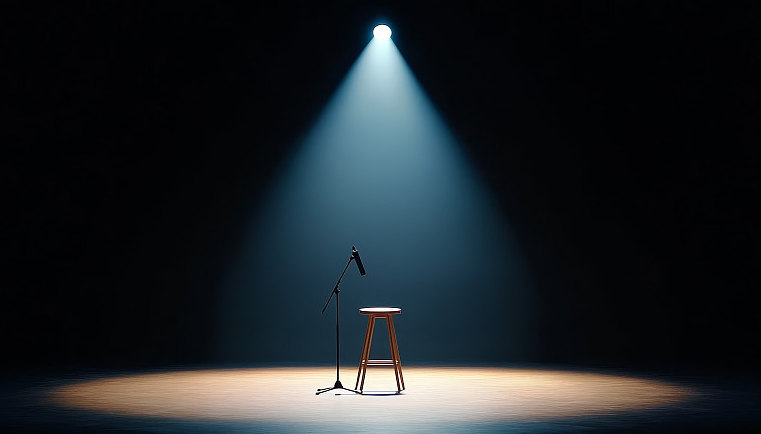
As the curtain slowly pulls back, a beam of light pierces through the darkness, illuminating the performer in the center of the stage, marking the beginning of an audio-visual feast. Stage lighting, as the "invisible actor" of stage art, is not only a tool to illuminate the performance area but also a core carrier to convey emotions, enhance the atmosphere, and shape artistic conception. It uses light as a brush and shadow as ink, transforming abstract emotions into visible light and shadow language, perfectly integrating with performance, music, and stage design, endowing the stage with infinite vitality and appeal. From the simple lighting of traditional opera to the immersive light and shadow show of modern stages, the development of stage lighting has always resonated with artistic innovation and technological progress.
1. The core value of stage lighting: beyond mere "illumination"
Many people's understanding of stage lighting remains at the basic level of "making the audience see the performers clearly". In reality, its value goes far beyond that. The core function of stage lighting is to construct a sense of space on the stage, create emotional atmosphere, highlight performance highlights, and even participate in storytelling through the brightness, darkness, color, angle, and movement of light and shadow, making it an indispensable part of stage art.
Firstly, spatial shaping. The stage itself is a fixed physical space, but lighting can break through the limitations of space through contrasting light and dark, and focusing light beams, creating different scene textures - spotlighting focuses on the performer, highlighting the subject and allowing the audience's attention to be concentrated on the core performance; diffused light covers the stage, creating an open scene, such as a grassland or starry sky; side lighting outlines the contours of the characters, enhancing the three-dimensional effect and making the performer stand out from the background; backlighting creates a silhouette effect, creating a mysterious and distant atmosphere, adding a sense of layering to the performance.
Secondly, emotional rendering. Color is a direct expression of emotion. Stage lighting, through different color combinations, conveys a variety of emotions - warm yellow lighting is gentle and soft, suitable for lyrical and warm scenes, such as family and love scenes; cool blue lighting is cold and distant, suitable for creating a sad, suspenseful, and sci-fi atmosphere; red lighting is passionate and unrestrained, capable of rendering tense, passionate, and festive emotions; green lighting is fresh and natural, suitable for pastoral and forest scenes. In addition to color, the brightness changes of lighting can also convey emotions. Gradually brightening lights can create a sense of hope and rise, while gradually dimming lights can evoke a sense of sadness and ending.
Thirdly, narrative assistance. In modern stage art, lighting is no longer a "supporting role", but one of the "leading roles" involved in the narrative. Through the switching and movement of lights, scene transitions and the passage of time can be achieved, and even psychological changes of characters can be implied. For example, in theatrical performances, when a character is immersed in memories, a soft follow spot light paired with a hazy spot can be used to simulate the blurry sensation of recollection; when the plot reaches a climax, rapidly flashing lights and strong beam contrast can be employed to enhance tension and drive the plot forward.
Fourthly, style positioning. Different forms of stage art have different requirements for lighting, which can also become a symbolic element of the stage style. For example, the lighting in traditional opera is simple and elegant, mainly using warm light to highlight the actors' posture and singing, emphasizing the classical charm; the lighting in modern pop concerts pursues dynamism and shock, often using LED screens, beam lights, and laser lights to create an immersive carnival atmosphere through varied colors and dynamic effects; the lighting in drama focuses on delicacy, adapting to the emotional fluctuations of characters through subtle changes in light and shadow, enhancing the sense of immersion.
II. Main types of stage lighting: each performing its own function and working together synergistically
With the development of technology, the types of stage lighting are becoming increasingly diverse. Different types of lighting have different functions and application scenarios, and only by coordinating them can a perfect stage effect be achieved. According to different functions and installation locations, stage lighting can be mainly divided into the following categories:
(1) Area light: "Basic lighting" for the stage
The face light is usually installed above the audience seats in front of the stage and is the most basic and core lighting equipment on the stage. Its main function is to illuminate the performer's face and body from the front, allowing the audience to clearly see the performer's expressions, movements, and costume details, ensuring the clarity of the performance. Face lights generally use spotlights or soft lights, which provide soft and uniform light, avoiding strong shadows and ensuring the performer's image appears natural and authentic. In stage scenes that focus on detail presentation, such as drama, opera, and speeches, the role of face lights is particularly important.
(II) Chasing the light: The "focus guide" of the stage
The follow spot is the most "active" lighting on the stage, usually installed on both sides of the stage or behind the audience. It can be manually or automatically controlled, following the movements of the performers and always focusing its beam on them. The core function of the follow spot is to highlight key performers and guide the audience's attention, making it especially suitable for solo performances such as solo singing, solo playing, and solo dancing. The beam of the follow spot can be large or small, strong or weak, and when combined with color switching, it can create a strong visual focus, making the performer the center of attention on stage. For example, in a concert, when a singer performs a solo, the follow spot will closely follow the singer, dimming the lights in other areas so that the audience's attention remains focused on the singer, enhancing the performance's appeal.
(III) Side lighting: The "shaper of three-dimensional sense" on the stage
Side lights are installed on the light stands on both sides of the stage, divided into left side lights and right side lights, which illuminate the performers and stage background from the side. Their main function is to outline the contours of characters and scenery, enhance the three-dimensional effect and sense of depth, and avoid the "flat" effect caused by front lighting. The light from side lights can be strong or weak. When the light is strong, it can create distinct shadows, highlighting the muscle lines and clothing textures of the characters; when the light is softer, it can create a soft contour light, making the stage image more full. In dance performances, the use of side lights is particularly crucial, as it can clearly show the dancers' body movements and the beauty of their lines.
(IV) Backlighting: The "Silhouette Maker" of the Stage
The backlight is installed at the back of the stage, shining from behind the performers, creating a contrast with the face light. Its main function is to create a silhouette effect of the characters, separating the performers from the background and enhancing the spatial and mysterious feel of the stage. The backlight is usually strong, forming a bright halo around the performers' silhouettes, making their images more prominent and creating a distant and hazy atmosphere. In lyrical performances and sci-fi stage scenes, the use of backlight can effectively enhance the artistic beauty of the stage.
(V) Effect lights: The "atmosphere renderer" of the stage
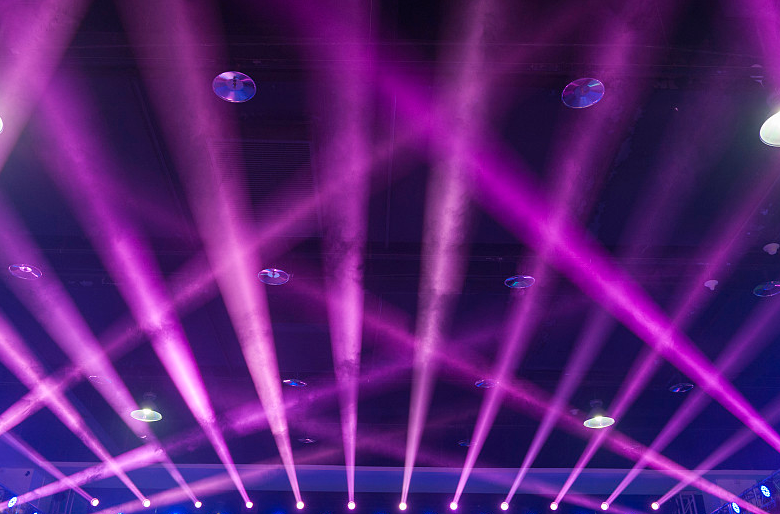
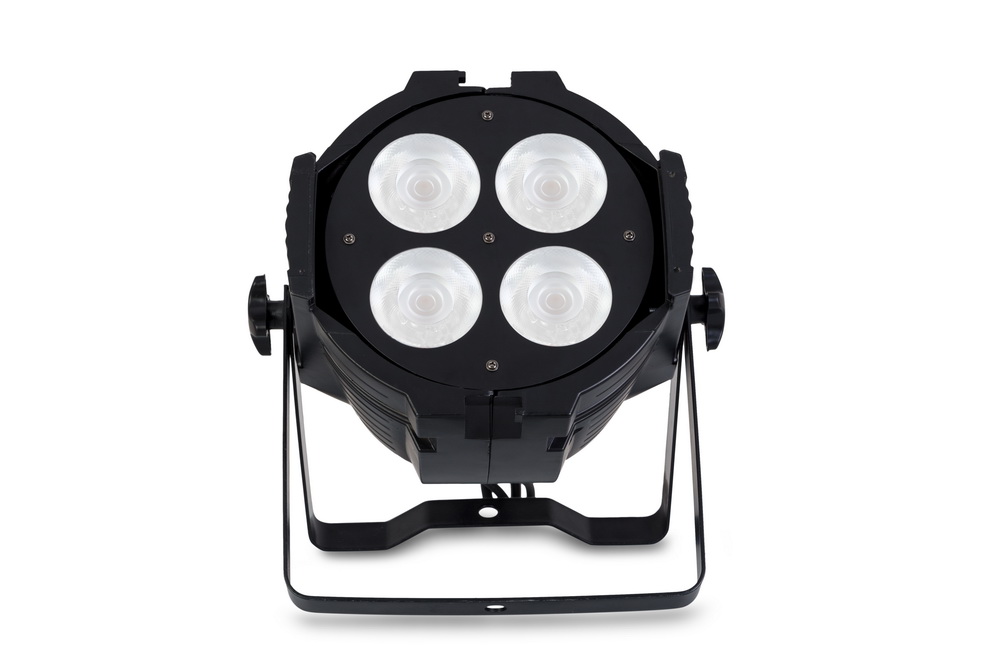
Effect lights are the most diverse and interesting category of stage lighting, primarily used to create special stage effects and enrich the visual experience on stage. Common effect lights include beam lights, laser lights, LED par lights, strobe lights, smoke lights, etc. Beam lights emit strong directional beams that can be rotated and scanned to create varied beam effects on stage, suitable for creating a dynamic and shocking atmosphere. Laser lights emit monochromatic or multi-colored laser beams that can form patterns and text on the stage background or in the air, enhancing the technological feel and visual appeal of the stage. LED par lights are small in size, rich in color, and can quickly switch colors, suitable for large-area lighting to create a colorful stage atmosphere. Smoke lights produce smoke, making the beams more visible, enhancing the layered effect of light and shadow, and creating a dreamy, hazy effect.
III. Design principles of stage lighting: the perfect integration of light and shadow with art
Stage lighting design is not a random combination, but requires adhering to certain principles. It should be integrated with the overall style of stage art, the needs of the plot, and the characteristics of the performers, achieving a perfect fusion of light and shadow with art. Good lighting design should be "invisible" - it should not only meet the needs of the performance but also not overshadow it, allowing the audience to focus on the performance itself while experiencing the beauty of light and shadow.
Firstly, it must align with the theme. Lighting design must revolve around the theme and core idea of the stage performance, maintaining consistency with the plot, music, and stage art style. For example, on a stage with a tragic theme, lighting should primarily feature cool hues and low brightness, avoiding overly bright and vivid colors; on a stage with a comedic theme, bright and vivid colors can be used, paired with dynamic lighting effects, to create a relaxed and joyful atmosphere. If the lighting design is out of sync with the theme, it will appear abrupt and affect the overall stage effect.
Secondly, highlight the key points. The core of stage lighting is "serving the performance". Therefore, it is necessary to clarify the focus of the performance, and through the focusing and contrast of light and dark, highlight the core performers and key scenes. For example, in theatrical performances, the protagonist has more screen time, and the lighting should focus on the protagonist, using methods such as chasing lights and spotlights to keep the protagonist in the audience's line of sight; during scene transitions, the lighting can be switched to guide the audience's attention from one scene to another.
Thirdly, focus on layering. Good stage lighting design should have a rich sense of layering, creating a three-dimensional and full stage image through the combination of light and dark, color, and angle. Avoid overly uniform lighting that makes the stage image bland and tasteless; at the same time, avoid overly cluttered lighting that dazzles the audience and distracts their attention. For example, use face light to ensure basic lighting, side light to enhance the three-dimensional effect, backlight to create contours, and effect lights to create an atmosphere. Multiple types of lights work together to form a well-layered lighting effect.
Lastly, flexibility. The rhythm of stage performances is constantly changing, and lighting design also needs to be flexibly adjusted to match the rhythm changes of the performance. For example, during the climax of the performance, strong colors, rapid switching, and dynamic beams can be used to enhance the tension and shock; during the lyrical part of the performance, the lighting should be soft and soothing, paired with soft colors, to create a warm and moving atmosphere. At the same time, the switching of lighting should be natural and smooth, avoiding abrupt transitions that may affect the audience's viewing experience.
IV. Development Trend of Stage Lighting: Technology Empowers, Art Elevates
With the rapid development of technology, the technical level of stage lighting has been continuously improved, and its artistic expression has become more diverse and enriched. From traditional incandescent lamps and spotlights to today's LED lights, laser lights, and intelligent control systems, the development of stage lighting is moving towards intelligence, personalization, and immersion.
Intelligentization is one of the core trends in the development of stage lighting. Nowadays, stage lighting has achieved intelligent control. Through computer control systems, the brightness, color, angle, and movement trajectory of each light can be precisely controlled, enabling automatic switching and precise presentation of lighting effects. For example, in large-scale concerts, lighting designers can use preset programs to synchronize the movement and color switching of hundreds of lights, creating a uniform and impressive lighting and shadow effect. At the same time, the intelligent control system can also synchronize with music and video, allowing the lighting effects to perfectly match the music rhythm and video images, enhancing the immersive experience on stage.
Personalization is also an important development direction for stage lighting. Different forms of stage art and performers have varying needs for lighting. Personalized lighting design can better highlight the unique style of the stage and the personal charm of the performer. For example, some singers' concerts will design exclusive lighting effects based on their song styles and personal characteristics, making the lighting an extension of the singer's personal style. Some niche stage arts also create differentiated stage experiences through unique lighting design, attracting the attention of the audience.
In addition, immersive light and shadow experiences have become a new hotspot in stage lighting. With the development of LED screens and projection technology, stage lighting is no longer limited to "illumination", but is combined with projection and virtual scenes to create an immersive light and shadow space. For example, through projection technology, virtual scenes are projected onto the stage background and ground, combined with changes in lighting, making the audience feel as if they are immersed in the scene, enhancing the sense of involvement and enjoyment on stage. In some large-scale evening parties and cultural tourism performances, immersive light and shadow shows have become the core highlights, bringing audiences an audio-visual feast through the perfect integration of lighting, projection, and music.
Whatsapp:+86 134 1860 8878